Midlife Awakening at 40 — What Carl Jung Got Right
Midlife Awakening at 40 — What Carl Jung Got Right
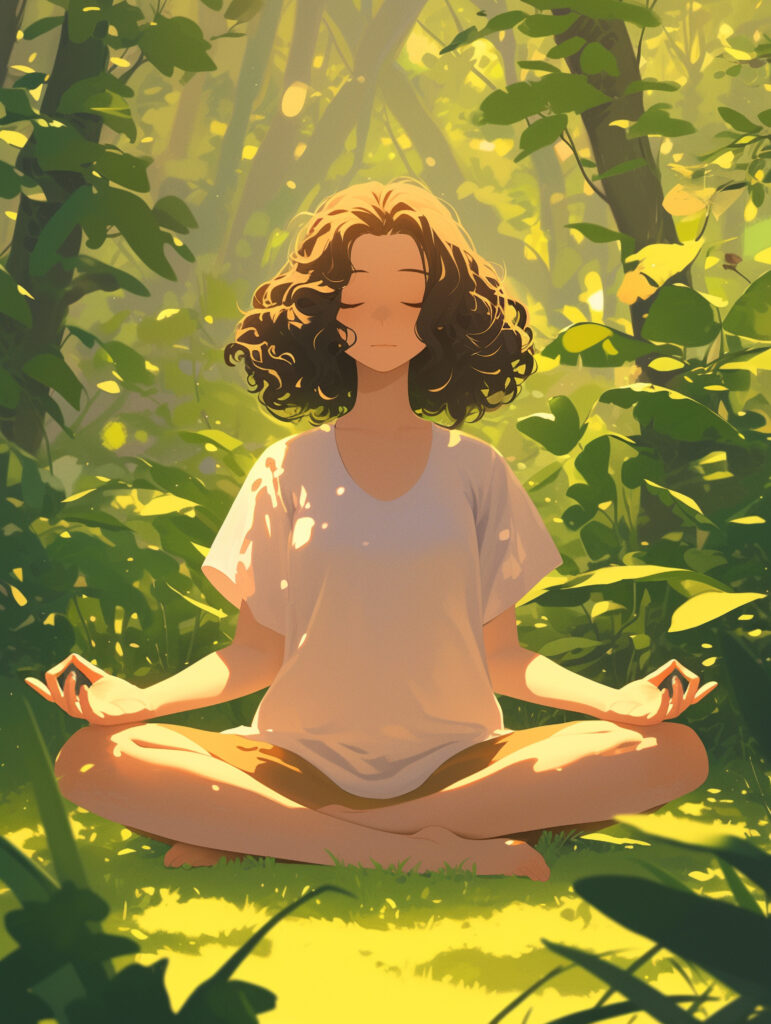
Carl Jung said life truly begins at 40. I used to think that was something people said to make themselves feel better. Now I think he was the only one telling the truth.
The midlife awakening at 40 is not what anyone told me it would be. I turned 40 this year and I didn’t arrive the way I expected to. I arrived here tired. Questioning. Losing friendships I thought were permanent. Sleeping badly. Grieving decisions I can’t undo. Feeling things more intensely than I ever have before.
I arrived here wondering if something was wrong with me.
Because nobody told me that what I was experiencing wasn’t a breakdown. Nobody told me it had a name. Nobody told me that Carl Jung — one of the most influential psychologists who ever lived — looked at this exact moment in a woman’s life and said: this is not the end of something. This is the beginning of everything.
I want to talk about that. Because I think we have the midlife awakening at 40 completely backwards — and it’s costing us the very transformation we’re standing at the edge of.
· · ·
What We Get Wrong About the Midlife Awakening at 40
We call it a crisis. We treat it like a malfunction. We look at the restlessness, the questioning, the grief, the longing for something more — and we diagnose it. We tell women to see a doctor, adjust their hormones, push through, be grateful for what they have.
We treat the awakening like a symptom instead of a signal.
Jung saw it differently. He believed that the first half of life — roughly the years before 40 — is spent building. You build an identity based on what your family taught you, what your culture expected, what survival required. You build a career, relationships, a version of yourself that is largely inherited. You are, in many ways, living someone else’s blueprint for your life.
“The afternoon of human life must also have a significance of its own and cannot be merely a pitiful appendage to life’s morning. Whoever carries over into the afternoon the law of the morning must pay for so doing with damage to his soul.”— Carl Jung
What he was saying — in language that still stops me cold — is that the second half of life requires a completely different orientation. That trying to keep living the first half’s blueprint into your 40s and beyond will cost you something essential. It will cost you yourself.
This is what the midlife awakening at 40 is really about — not losing yourself further but finally being asked to find yourself.
The restlessness you feel at 40 is not a malfunction. It is your soul refusing to keep living a life that no longer fits.
· · ·
The Signs of Midlife Awakening Nobody Names Honestly
When I started understanding what midlife awakening at 40 actually looks like — not the clichés, but the real texture of it — I recognized myself in every single sign. And I want to name them honestly because I think a lot of women are sitting alone with these experiences thinking they’re falling apart when they are actually waking up.
The friendships that no longer fit. This one blindsided me. I have lost friendships in the last few years that I thought were permanent — not through betrayal or falling out, but through becoming. Through outgrowing. Through realizing that some relationships were built around a version of me that I am no longer willing to be. The loneliness that comes with that is real and it is heavy. But so is the clarity.
The sleep disturbances. Waking at 3am with your mind already running. Lying awake with thoughts that don’t resolve. This is partly hormonal — the perimenopause years begin shifting things in your 40s — but it’s also something else. Something that wants your attention in the quiet hours when the distractions are finally gone.
The regret that surfaces. Not wallowing, not self-pity — just an honest accounting. Decisions you made from fear. Paths you didn’t take. The career you chose because it was safe. The relationships you stayed in too long. The version of yourself you silenced to keep the peace. These things surface at 40 not to punish you but to be finally processed and released.
The restlessness that won’t be quieted. A feeling that you are meant for something more — not more money or status necessarily, but more meaning. More alignment. More of a life that actually reflects who you are rather than who you were taught to be.
The heightened sensitivity to how you live. Suddenly the things that never bothered you feel intolerable. The relationships that drain you. The food that doesn’t serve your body. The environments that dim your light. You become acutely aware of what costs you something and what gives you something back. That awareness is not weakness. That is wisdom arriving.
· · ·
What 40 Is Actually Asking of You
Jung called this process individuation — the lifelong journey of becoming who you truly are rather than who you were shaped to be. He believed it was the central psychological task of the second half of life. Not achievement. Not accumulation. Not performing a role. Becoming.
The years before 40 were not wasted. They were necessary. The career building, the relationship forming, the mistakes, the survival, the learning — all of it was the foundation. You cannot build a chosen life without first understanding what an inherited one feels like from the inside. You had to live it to know it wasn’t fully yours.
But now you know. And that knowing is the beginning.
The midlife awakening at 40 is not asking you to blow up your life. It’s asking you to stop living it unconsciously. To start making choices from your own values instead of your inherited ones. To ask — for maybe the first time with real honesty — is this the life I actually want?
That question is not a crisis. That question is the most important one you will ever ask yourself.
The midlife awakening at 40 is not a malfunction. It is the most important invitation your life will ever extend to you.
I am 40 and I am in the middle of answering it. I don’t have all the answers. My sleep is still inconsistent. Some mornings I wake up and the grief of certain decisions sits heavy before I’ve even had coffee. I am still untangling which parts of my life I chose and which parts I inherited and never questioned.
But I am asking the question. And for the first time in my life I am asking it from a place of enough experience, enough self-knowledge, and enough hard-won clarity to actually begin building something that is mine.
Jung called 40 the noon of life — the moment of maximum light before the afternoon begins. Not the beginning of decline. The moment of fullest illumination.
I think he was right. And I think we owe it to ourselves to stop treating that light like a warning sign and start treating it like what it actually is — an invitation.
I wrote this from inside the middle of it because that’s the only honest place I could write it from. If you’re 40 or approaching it and feeling things you can’t quite name — I hope this gave those things some language.
What is 40 bringing up for you that you haven’t said out loud yet? You don’t need a polished answer. I’m reading every single one.
If this resonated and you want to be here for what comes next — join the list below. No noise. Just the next thing when it’s ready.
And if someone in your life needs to read this today — send it without explanation. Sometimes that’s enough.